
Buoyed by the successful launch of U.S. bitcoin exchange-traded funds (ETFs), asset managers are lining up to list a second wave of more complex crypto products, setting the stage for another tussle with the U.S. securities regulator.
The Securities and Exchange Commission (SEC) rejected spot bitcoin ETFs for more than a decade, hoping to protect investors from market manipulation. But the SEC was forced to approve them last month after Grayscale Investments won a court challenge. A federal appeals court ruled that the SEC had not sufficiently detailed its reasoning for rejecting the products.
That decision encouraged 12 asset managers, including Grayscale, ProShares, VanEck, Invesco, Fidelity and Ark Investments to file applications to launch 25 next-generation cryptocurrency ETFs.
Many are complex products that would use options to amplify bitcoin's volatility. Others would track the price of ether, the No. 2 cryptocurrency after bitcoin.
Investors hope the new products will help drive crypto further into the mainstream. Bitcoin hit $50,000 on Feb. 12 for the first time in over two years and ether has climbed more than 12% this year on hopes the SEC will approve the spot products.
Yet the SEC remains uncomfortable with cryptocurrencies and complex exchange-traded products, and lawyers and industry sources said they expect the agency to move cautiously. The legal status of ether is also ambiguous, they noted.
"It doesn't seem like there's a rush to approve a second wave of products," said Yesha Yadav, a professor focusing on digital asset regulation at Vanderbilt University, adding the SEC would have to "grapple with" how much risk it can stomach.
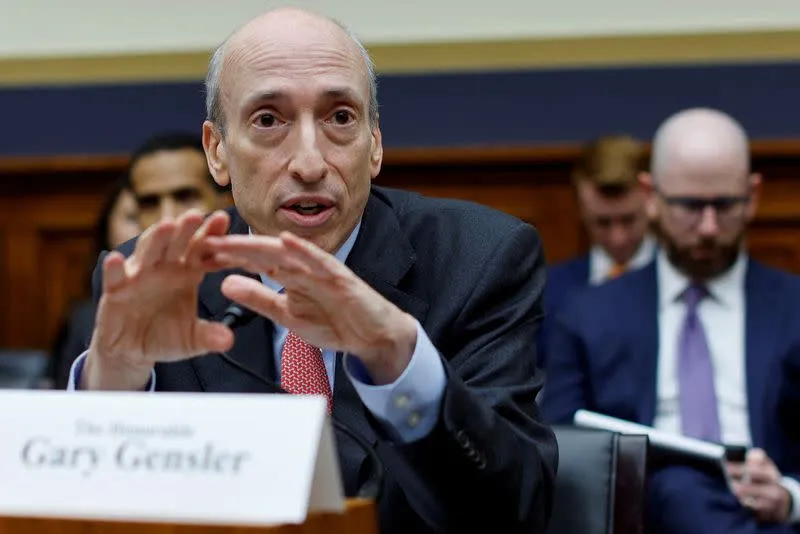
SEC Chair Gary Gensler remains a crypto critic, and when approving the bitcoin ETFs, he warned they were highly risky and said the decision did not signal the SEC was willing to approve listing standards for crypto assets more broadly.
An executive at one issuer said it was unclear whether SEC approval of the bitcoin ETFs would pave the way for other products.
Some applications before the SEC are for products designed for day traders: Leveraged exchange-traded bitcoin products would seek to juice returns by further amplifying the cryptocurrency's significant volatility. Other applications are for inverse products that allow speculators to bet on a decline in the price.